Why Is Reliable Wi-Fi Important in Tourist Accommodation?
Internet access has become an essential amenity for most travellers. Whether it is an Airbnb apartment or a hotel, guests expect to connect easily and use the digital services they need.
Their needs may include:
- Searching for information and using maps.
- Streaming films and television content.
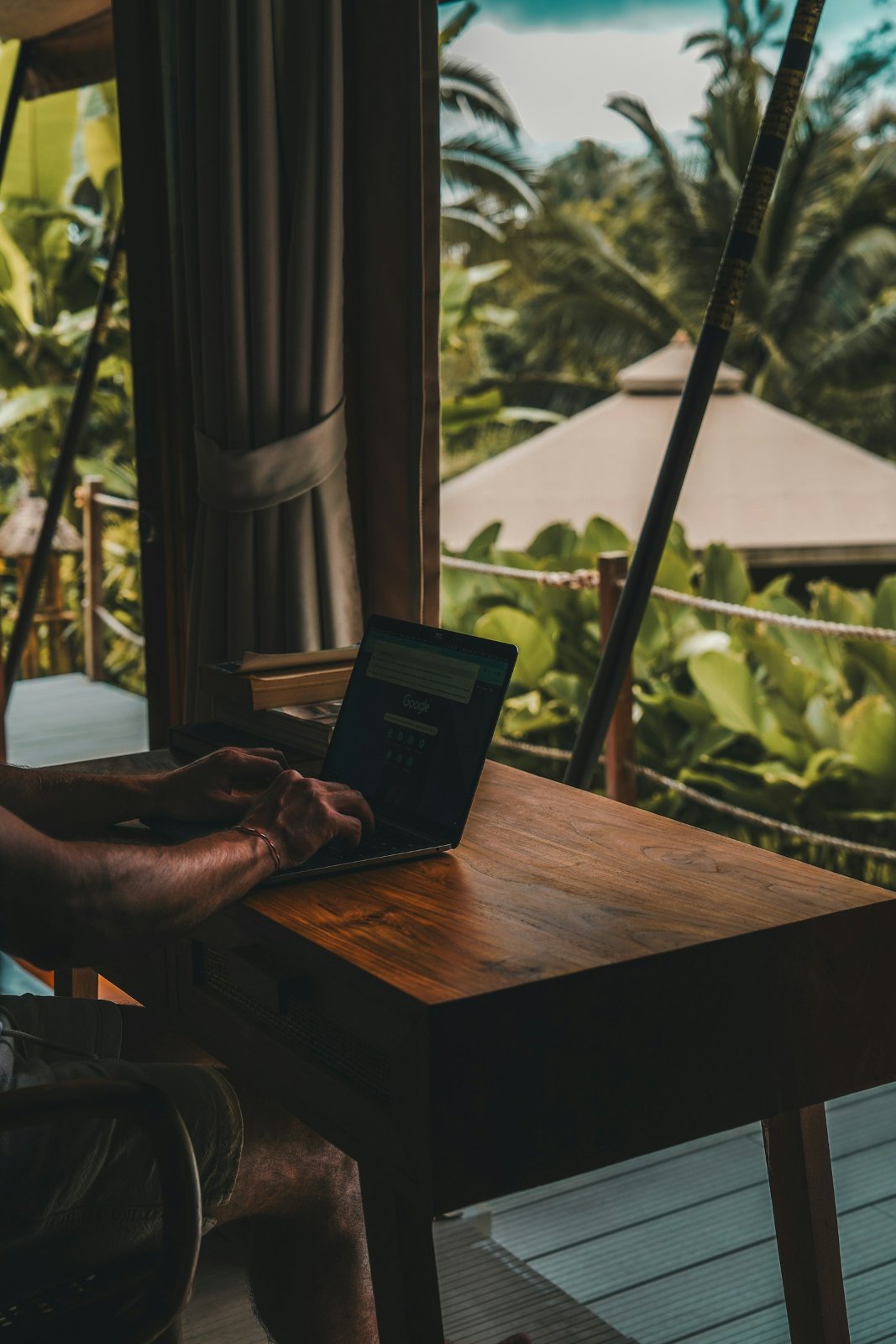
- Video calls and remote working.
- Using multiple mobile phones, tablets and computers.
- Online bookings, tickets and travel services.
- Connecting smart TVs and other devices.
Slow or unstable Wi-Fi can cause dissatisfaction, lead to negative reviews and affect the overall guest experience.
For this reason, choosing an internet connection and the right equipment should be considered part of the accommodation's overall quality.
How Much Internet Speed Does an Airbnb or Hotel Need?
The appropriate speed depends on the size of the accommodation, the number of guests and how they use the internet.
A small apartment hosting two or three guests has different requirements from a hotel with dozens of rooms.
As a general guide, you can consider the following categories:
Small Apartment or Studio
A connection of approximately 50–100 Mbps can cover basic needs such as browsing, using apps, social media and streaming, provided there are not too many simultaneous users.
Medium-Sized Apartment or House
For accommodation hosting more people or supporting multiple devices, a 100–300 Mbps connection can provide greater flexibility.
Large House or Luxury Villa
Where there are many guests, smart TVs, home automation devices and a need for remote working, it is worth considering speeds of 300–500 Mbps or higher.
Hotel or Accommodation Complex
For larger properties, the choice should be based on the number of rooms, simultaneous connections, shared facilities and overall data traffic. A business-grade connection, suitable internal networking and centralised Wi-Fi management may be required.
The speeds above are indicative and do not guarantee support for a specific number of users. The actual connection performance and the proper distribution of available bandwidth are equally important.
Fibre Optic Internet: Is It Worth It for Tourist Accommodation?
Fibre optic internet is one of the technologies worth considering when it is available in your area.
Compared with older copper-based technologies, it can offer higher speeds, greater capacity and better performance, depending on the network and the plan.
The main benefits for an accommodation business include:
- Higher available speeds for multiple users.
- Better support for demanding applications.
- Simultaneous streaming and remote working.
- Higher upload speeds with plans that offer corresponding capabilities.
- Better infrastructure for future digital services.
Before choosing a plan, check whether fibre is actually available at the specific property and what speed can be activated.
It is also important to distinguish between Fibre to the Home (FTTH) and other technologies that use fibre only for part of the network.
Speed Is Not Enough: You Need Proper Wi-Fi Coverage
One of the most common problems in tourist accommodation is having a fast internet connection but a wireless network that does not provide adequate coverage throughout the property.
This can happen because of:
- Long distances from the router.
- Thick walls and reinforced concrete.
- Multiple floors.
- Interference from nearby wireless networks.
- Poor equipment placement.
- A large number of connected devices.
For a small apartment, a modern router may be sufficient. Larger properties, however, may require additional access points or a Mesh Wi-Fi system.
Router, Mesh Wi-Fi or Access Points: Which Solution Should You Choose?
Your choice of equipment should be based on the layout and requirements of your accommodation.
Router
The router is the main connection point to the internet and creates the wireless network. For a small studio or apartment, it may provide sufficient coverage, provided it is positioned correctly.
Mesh Wi-Fi
Mesh Wi-Fi uses multiple units that work together to create a single wireless network. It is useful in larger houses, multi-storey apartments or properties where the signal from the main router cannot reach every area.
Access Points
Access points create additional wireless coverage points and are usually connected to the main network through an Ethernet cable. They are particularly useful for hotels and larger accommodation facilities where stable coverage is required across multiple areas.
In professional installations, connecting access points through wired connections can provide better stability and performance than extending the signal wirelessly.
How to Set Up Your Accommodation's Wi-Fi Properly
A proper installation is not just about buying a powerful router. It requires an overall plan.
1. Choose the Right Location for Your Equipment
The router should be placed in a central, relatively open location, away from obstacles and sources of interference.
2. Ensure Coverage in Every Area
Check signal quality in bedrooms, the living room, the kitchen and outdoor areas, if these are available to guests.
3. Use Modern Wi-Fi Standards
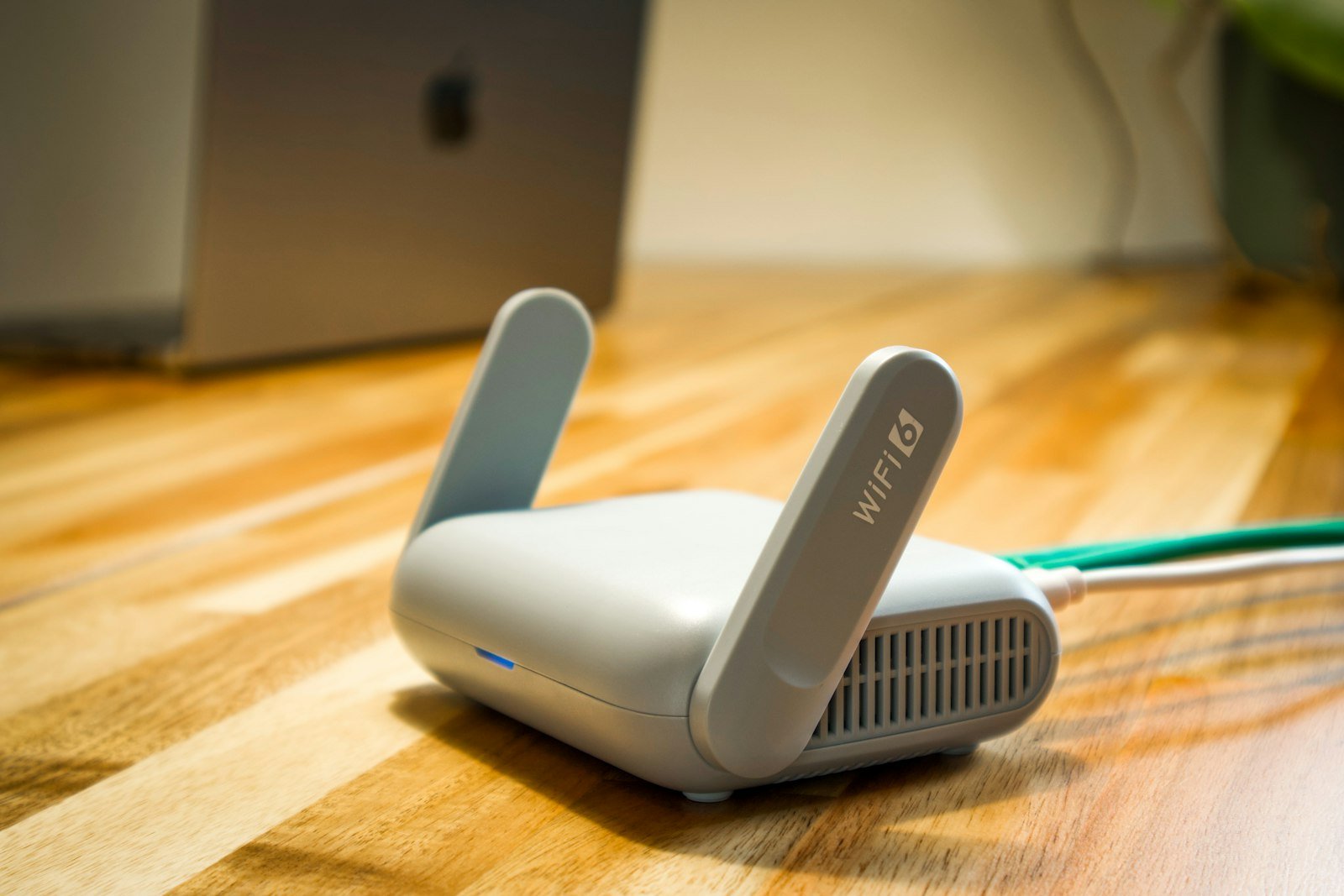
Consider equipment that supports modern Wi-Fi technologies, such as Wi-Fi 6 or newer versions, depending on your budget and requirements.
4. Create a Separate Guest Network
Using a separate Guest Wi-Fi network allows guests to connect to the internet without accessing the owner's private or business network.
5. Protect Your Equipment
Use a strong password, modern encryption, up-to-date software and secure administration settings.
6. Regularly Check Performance
Run speed tests in different areas of the property, not just next to the router. This will help you identify areas with weak signal coverage.
Guest Wi-Fi: Why Is a Separate Guest Network Important?
Creating a separate network for guests is an important security practice.
This way, guests' devices do not need to share the same network as:
- The owner's personal computers.
- The business's files and devices.
- Security cameras.
- Smart home systems.
- The property's management devices.
Where supported by the equipment, you can enable client isolation so that guests cannot directly access other users' devices.
For larger accommodation facilities, it is worth considering a professional Wi-Fi management system with access control, performance monitoring and the ability to create separate networks.
What Should You Consider for Airbnb and Small Tourist Accommodation?
In smaller properties, installing a reliable router and choosing a suitable internet plan may cover most requirements.
However, there are several points worth considering:
- The Wi-Fi password should be easily accessible to guests.
- The network should cover all areas advertised as available to guests.
- The equipment should operate reliably without frequent restarts.
- Remote router management can be useful.
- There should be a procedure for resolving problems when the property does not have on-site support staff.
A practical solution is to include the connection details in the digital or printed guest information guide, together with basic instructions.
What Should You Look for When Choosing an Internet Provider?
Before choosing a plan for your accommodation, do not focus solely on the advertised speed or monthly price.
Consider the following:
- Which connection technologies are available at the specific address?
- What are the maximum available download and upload speeds?
- What actual performance can be achieved?
- Are there any data usage limits?
- What is the contract duration?
- Are there installation or activation charges?
- Is a router provided, and what are its specifications?
- What technical support is available in the event of a fault?
- Is a static IP address or another business service available, if required?
- Can a backup connection be provided?
For businesses with multiple rooms or facilities, it is also useful to consider the availability of business-grade support services and Service Level Agreements (SLAs), where offered.
Alternative Solution: 4G or 5G Internet for Tourist Accommodation
In areas where fixed-line internet is unavailable or difficult to install, 4G or 5G internet can provide an alternative.
The connection is established through a mobile network using a suitable router with a SIM card or other compatible equipment.
It can be a useful option for:
- Holiday homes.
- Tourist accommodation in remote areas.
- Temporary installations.
- Backup connectivity in the event of a fixed-line outage.
Before choosing this solution, check mobile network coverage at the specific property, actual speeds during peak hours and the provider's data usage terms. Performance may be affected by distance from the mobile tower, the number of users and network conditions.
Frequently Asked Questions About Internet for Airbnb and Hotels
How many Mbps does an Airbnb need?
For a small apartment, a 50–100 Mbps connection may be sufficient for basic use. For larger properties or more simultaneous users, higher speeds are preferable.
Is a standard router enough for an apartment?
It may be sufficient in a small apartment. If there are many walls, multiple floors or large spaces, a Mesh Wi-Fi system or an additional access point may be necessary.
Should I give guests the password to my personal Wi-Fi?
It is preferable to create a separate guest network, keeping internet access separate from your personal and business devices.
Is fibre optic internet essential?
It is not essential for every property. However, it is an option worth considering when available, particularly if your requirements involve higher speeds and greater capacity.
Can I use 5G instead of fixed-line internet?
Yes, provided there is sufficient coverage and the plan supports your requirements. It is important to check local performance and the provider's terms.
How can I improve Wi-Fi without changing providers?
You can start by repositioning the router, upgrading your equipment, adding Mesh units or access points, and checking for interference. In many cases, the problem lies with the internal wireless network rather than the internet connection itself.
Conclusion
Reliable Wi-Fi is an important part of the guest experience in Airbnb properties, hotels and other tourist accommodation.
Choosing the right solution is not just about internet speed. It requires combining a suitable internet plan, the right equipment, full coverage throughout the property and secure network management.
Whether you operate a small apartment or a larger tourist facility, it is worth assessing your guests' actual needs before choosing an internet provider and equipment.
How Can Globy+ Help?
Globy+ can help you explore available fixed-line and mobile internet plans, compare providers and identify solutions that meet your accommodation's needs. By choosing the right services, you can better organise your business's digital infrastructure and offer guests a more complete hospitality experience.
This article is general information, not personal advice. Terms and cover depend on the provider and your contract. Your advisor checks what applies to you.
Want an advisor to check this for you?
A few short questions, and we'll get back to you shortly.