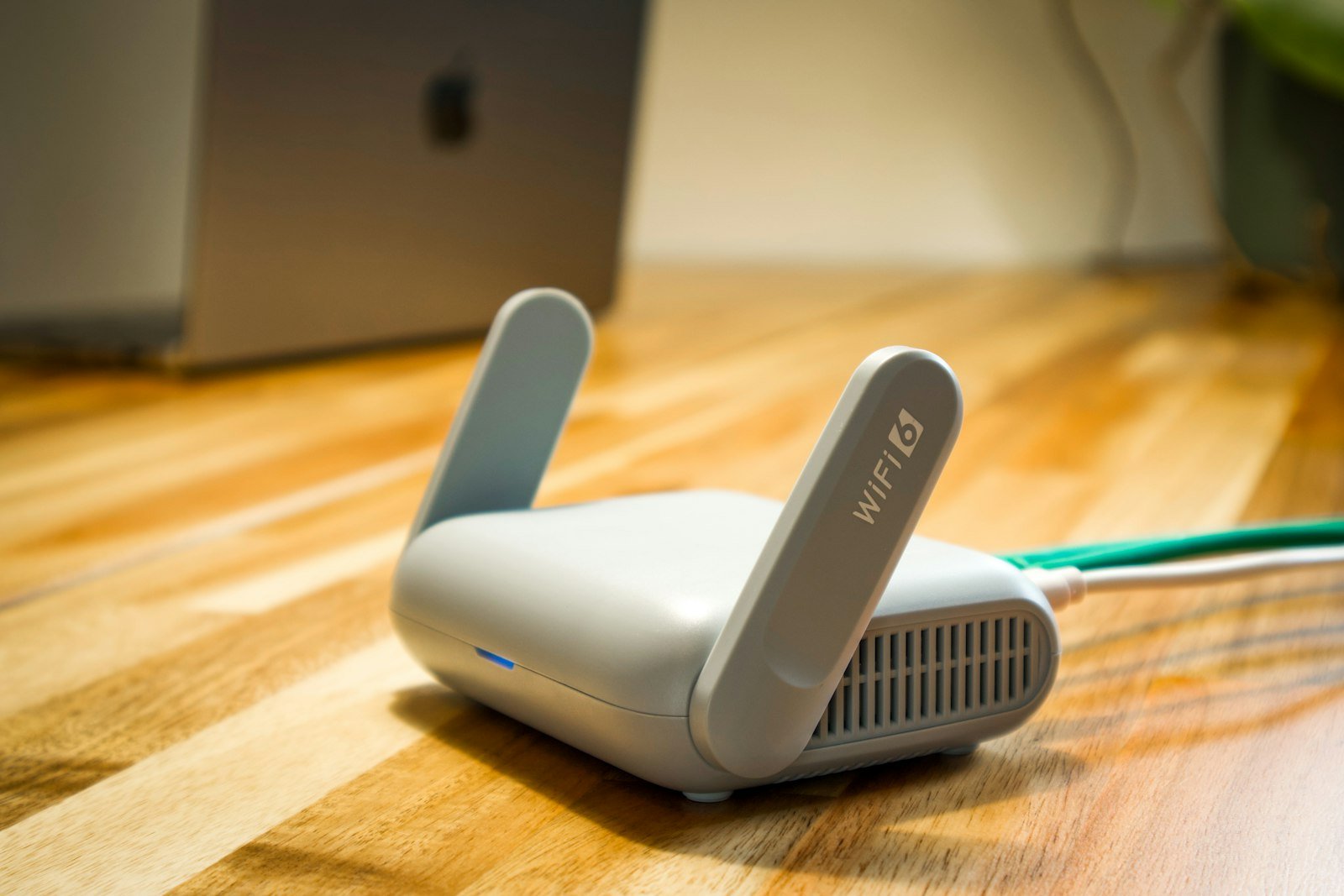

What Are Telecommunications Bundles?
Telecommunications bundles are plans in which a provider offers two or more telecom services with combined or linked billing.
The most common combinations include:
- Fixed-line internet and landline telephony.
- Fixed-line internet and mobile telephony.
- Mobile telephony and pay-TV.
- Fixed-line internet, mobile and television.
- Multiple mobile phone connections for family members.
The main aim is to bring more services together under one provider and, where the offer allows, benefit from bundled discounts or additional features.
However, a bundle is not necessarily cheaper simply because it includes more services. You need to consider whether you will actually use everything it offers.
What Are the Main Advantages?
1. Lower Overall Cost
One of the main reasons for choosing a telecommunications bundle is the potential to save money.
Providers may offer discounts when you combine fixed-line internet and mobile telephony or transfer more than one connection to the same account.
To determine whether there is a genuine financial benefit, compare the total cost of the bundle with the combined price of the equivalent standalone services.
2. Centralised Service Management
When your services are provided by the same company, you can manage your connections and bills in a more centralised way.
Depending on the provider, you may have access to:
- Shared online management of your services.
- Consolidated billing information.
- Easier monitoring of your allowances.
- A single point of contact for issues relating to your bundled services.
This can be particularly convenient for households with multiple connections.
3. Additional Features and Benefits
Some bundled plans include extra benefits, such as more mobile data, access to television content, additional connections or special discounts.
Check whether these extra benefits are genuinely valuable to you. A service you do not use does not provide a meaningful financial advantage, even if it is included at no separate charge.
What Are the Potential Disadvantages?
1. They Are Not Always Cheaper
The overall price of a bundle may look attractive, but it could include services you do not need.
For example, if you rarely watch television content, adding a pay-TV subscription may increase your costs without providing equivalent value.
2. Dependence on a Single Provider
When you bring all your services together under one company, you reduce the need to deal with different providers, but you also become more dependent on a single one.
If you experience a customer service or network problem, more than one of your services could be affected.
3. Different Contract End Dates and Commitments
Not all services necessarily have the same contract duration. Your fixed-line and mobile services may have different activation, renewal or expiry dates.
In addition, cancelling one service may affect the discount you receive on the others.
4. Higher Costs After a Promotional Offer Expires
A common pitfall is a low introductory price that applies only for a limited period.
Once the offer expires, your monthly cost may increase. That is why you need to know not only what you will pay today, but also what the charge will be when the discount period ends.
When Is It Worth Bundling Internet and Mobile Telephony?
Combining fixed-line internet and mobile services can be useful when:
- You already have a fixed-line connection and want to move your mobile service to the same provider.
- Several family members have separate mobile phone connections.
- You need a substantial amount of mobile data and can benefit from additional allowances.
- The provider offers a meaningful discount on the overall cost.
- You want to manage multiple services through a single account.
Before deciding, check whether the fixed-line connection on offer is suitable for your address and whether the mobile plan meets your actual usage needs.
Do not choose a bundle simply because it offers more GB or a higher advertised speed. What matters is the practical value of the included benefits.
When Is It Worth Adding Pay-TV?
Pay-TV can be a useful addition if you regularly watch sporting events, films, series, documentaries or other television content.
Before adding it to a bundle, consider:
- Which channels and content categories are included.
- Whether it offers sports broadcasting rights that interest you.
- Whether you can watch content through an app.
- How many devices can stream simultaneously.
- Whether special equipment is required.
- Whether there are additional charges for extra packages.
- How much the service costs after any promotional offer expires.
If you already pay for separate subscriptions to different platforms, compare their combined cost with the bundled plan. You may not need all the services it includes.
How to Compare Telecommunications Bundles Correctly
A proper comparison should not be based solely on the price shown in an advertisement.
Follow these steps:
1. List the services you use.
Make a note of how many mobile connections you need, what internet speed is suitable for your home and whether you genuinely want a pay-TV subscription.
2. Calculate your current total cost.
Add together all the monthly fees you currently pay, including separate subscriptions and services.
3. Compare the final price of the new bundle.
Make sure you know the total amount you will pay, not just the price of one individual service.
4. Check how long the discounts last.
An offer may have one price for the first few months and a different charge afterwards. Calculate the cost over the entire contract period.
5. Consider the contract commitment.
Check whether the services have the same or different contract durations and what charges apply if you cancel early.
6. Check service quality.
A low price is not enough if the internet connection does not meet your needs or mobile coverage is inadequate in your area.
Example Calculation: When Do You Really Save Money?
Let's assume a household pays separately for:
- Fixed-line internet and telephony: €30 per month.
- Two mobile phone connections: €20 each.
- Pay-TV subscription: €15 per month.
The total monthly cost is €85.
If a provider offers a bundle containing the same core services for €70 per month, the theoretical difference is €15 per month, or €180 over one year.
However, for the saving to be genuine, the following conditions must be met:
- All the services used by the household must be included.
- There must be no additional charges that have been overlooked.
- The price after the promotional period must be known.
- No additional equipment or other expense should change the overall cost.
This is an illustrative example and does not correspond to a specific commercial offer.
What Should You Check Before Signing?
Before accepting a telecommunications bundle, request written confirmation of:
- The total monthly subscription fee.
- The duration of the introductory offer.
- The standard price after the discount expires.
- The allowances included with each service.
- The duration of each contract.
- Early termination charges.
- Installation and activation costs.
- Any costs for a router, set-top box or other equipment.
- What happens if you cancel only one of the services.
- Whether the discount depends on keeping all the connections.
Pay particular attention if you already have an active contract with another provider. Check first whether early termination would result in additional costs.
Frequently Asked Questions
Is a telecommunications bundle always cheaper?
No. It may offer a discount, but it is not necessarily more economical if it includes services you do not need or if the price increases significantly after the promotional period ends.
Can I combine fixed-line internet with mobile connections belonging to different family members?
Some providers offer plans that allow multiple connections to be combined. The requirements, discounts and billing arrangements depend on the specific plan.
If I cancel my mobile service, will I also lose the discount on my fixed-line internet?
The bundled discount may be affected. Check the terms of the offer and ask your provider to explain in writing what will happen if you cancel one service.
Can I switch providers for all my services at the same time?
You can request to transfer your services, but the process and requirements differ depending on the service. Special number portability procedures apply when transferring mobile or landline telephone numbers. Before proceeding, check your existing contractual commitments.
Is it worth adding television if I only watch it occasionally?
Not necessarily. If you do not make use of the content, the additional service may increase your monthly costs without providing meaningful value.
Conclusion
Telecommunications bundles can offer savings and easier service management, particularly for households with multiple connections and different communication and entertainment needs.
To determine whether a bundle is genuinely worthwhile, compare the total cost, included benefits, promotional periods and contractual commitments. Avoid paying for services you do not use, and do not choose a plan based solely on its low introductory price.
Globy+ can help you explore available options from telecommunications providers, compare bundled plans and identify a solution that meets your needs and budget.
This article is general information, not personal advice. Terms and cover depend on the provider and your contract. Your advisor checks what applies to you.
Want an advisor to check this for you?
A few short questions, and we'll get back to you shortly.