
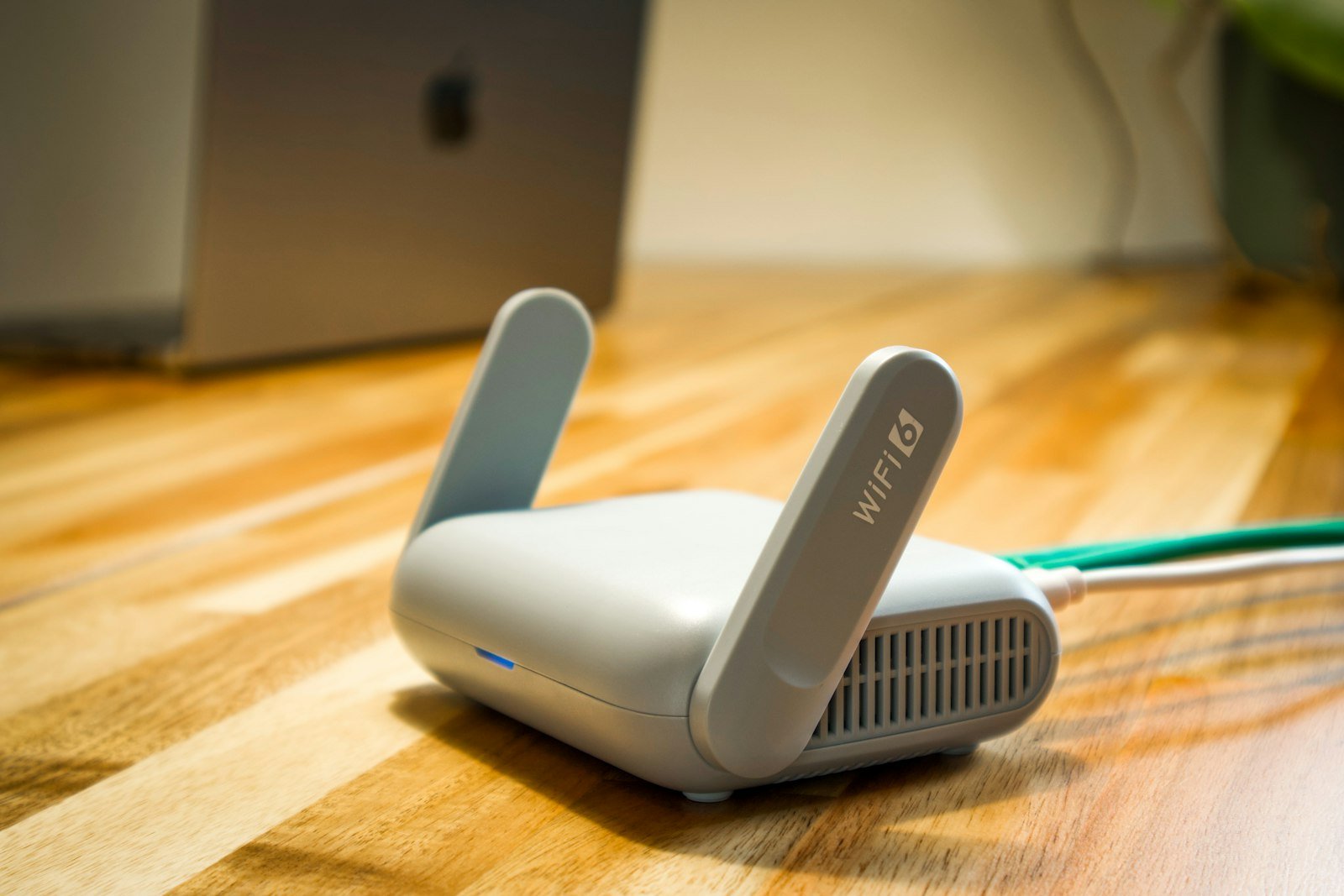
What Is Mobile Internet and What Is Fixed-Line Internet?
Mobile internet is provided through a mobile network, usually 4G or 5G. You can connect using a smartphone, tablet, USB modem or dedicated router with a SIM card.
Fixed-line internet is provided through a wired infrastructure, such as fibre optic (FTTH), VDSL or another available technology. The connection is usually established through a router installed at your home or business premises.
The main difference is that mobile internet relies on mobile network coverage, whereas fixed-line internet depends on the infrastructure serving the specific property.
Mobile Internet: Advantages and Disadvantages
Mobile internet has evolved significantly with the expansion of 4G and 5G networks. In areas with good coverage, it can offer high speeds, making it a practical alternative for people who do not have access to a suitable fixed-line connection.
Main Advantages
1. Flexibility and Portability
You can use your connection in different locations, depending on your plan and its terms of use. With a smartphone or portable router, you can access the internet without relying on a specific telephone socket.
2. Quick Setup
In most cases, there is no need to install a fixed-line connection. All you need is a compatible device and an active SIM or eSIM, depending on the service.
3. A Solution for Areas Without Fixed-Line Infrastructure
If your home or holiday property does not have access to fibre optic or another satisfactory fixed-line connection, mobile internet can be an alternative.
4. Use While Travelling and on the Move
You can access the internet when you are away from home, provided there is network coverage and your plan allows the type of usage you need.
Main Disadvantages
1. Dependence on Network Coverage
Connection speed and quality are affected by distance from mobile network antennas, physical obstacles, local terrain and signal reception inside the building.
2. Speed Fluctuations Due to Network Traffic
During periods of high demand, such as afternoons or evenings, speeds may decrease because of the number of users being served by the same network area.
3. Data Limits and Fair Usage Policies
Not all plans offer genuinely unlimited usage without restrictions. Some include data allowances, specific terms or limitations after a certain amount of data has been consumed.
4. Greater Performance Variability
Even if a plan advertises high 5G speeds, actual performance can vary significantly depending on your location and connection conditions.
Fixed-Line Internet: Advantages and Disadvantages
Fixed-line internet is the traditional solution for homes and business premises, particularly where there are multiple devices and higher usage requirements.
Main Advantages
1. More Stable Connection
A suitable fixed-line connection, especially fibre to the home (FTTH), can provide consistent performance and low latency.
2. Suitable for Multiple Devices
If you use smartphones, computers, televisions, gaming consoles and smart devices simultaneously at home, fixed-line internet can effectively meet the needs of multiple users.
3. High Speeds and Greater Data Transfer Capacity
FTTH connections can offer very high download and upload speeds, depending on the plan and equipment.
4. Suitable for Demanding Activities
It is particularly useful for video calls, transferring large files, working from home, online gaming and high-resolution streaming.
Main Disadvantages
1. Dependence on Infrastructure Availability
Not all areas have access to FTTH. The available technology can differ even between neighbouring streets or buildings.
2. Installation May Be Required
Depending on the technology, a technician's visit, cabling installation or line activation may be necessary.
3. Limited Portability
The connection is tied to a specific address. You cannot simply move the router and use the same service at any other location.
4. Possible Contractual Commitment
Many fixed-line internet plans come with a specific minimum commitment period. Before choosing one, check the total cost, contract duration, discounts and early termination charges.
Which Option Is Better for Your Home?
For a permanent residence, the choice mainly depends on the number of users, the devices you use and your internet habits.
If you mainly use the internet for browsing, social media, email and occasional streaming, a good mobile internet plan may be sufficient.
However, if your household has several family members, multiple televisions streaming simultaneously, online gaming, video calls and frequent large downloads, fixed-line internet is generally the more suitable option.
If FTTH fibre optic internet is available, it is worth exploring the relevant plans before making your decision.
Mobile Internet or Fixed-Line Internet for a Holiday Property?
A holiday property is one of the situations where mobile internet can offer significant advantages.
If you only use the property for a few weeks or months each year, you may not need a fixed-line connection with a monthly fee throughout the year.
A mobile internet plan with a suitable router can provide:
- Internet access without installing a fixed-line connection.
- Connectivity for multiple devices through Wi-Fi.
- Easier relocation of the equipment, where permitted by the service terms.
- The ability to connect in areas without available fixed-line infrastructure.
Before choosing, however, check the actual 4G or 5G coverage at the property. General coverage information for an area does not guarantee a good connection inside the specific house.
If you use your holiday property for extended periods or frequently host guests, a fixed-line connection may prove more practical.
Which Option Is More Suitable for Remote Work?
Remote work requires more than a connection that simply allows you to open websites.
You need reliable communication, consistent performance and sufficient upload speed, particularly when participating in video calls, uploading files or working with cloud applications.
Fixed-line internet, especially through FTTH, is often the most suitable primary connection for everyday remote work.
Mobile internet can be used:
- As a primary connection when suitable fixed-line infrastructure is unavailable.
- As a backup connection if your fixed-line service develops a fault.
- For working from different locations.
- For temporary offices or workspaces.
If your work depends on continuous internet access, you can consider combining a fixed-line connection with mobile internet as a backup solution.
What About Streaming and Online Gaming?
Movie and TV Streaming
For streaming services such as Netflix, YouTube and other platforms, both mobile and fixed-line internet can provide a satisfactory experience.
However, if several devices are streaming content simultaneously, fixed-line internet generally offers greater predictability.
With mobile internet, you should also consider data consumption if your plan has a specific allowance.
Online Gaming
For online gaming, download speed is not the only important factor. Equally important are:
- Latency (delay).
- Jitter (variations in latency).
- Packet loss.
- Connection stability.
A fixed FTTH connection can offer low latency and reliable performance. 5G can also deliver good results, but its quality depends on network coverage and congestion.
For competitive online gaming, it is also worth considering connecting your console or computer via an Ethernet cable rather than relying exclusively on Wi-Fi.
What Should You Compare Before Choosing a Plan?
Do not make your decision based solely on the advertised speed or monthly subscription fee. Consider the total cost and the actual terms of use.
For mobile internet, check:
- 4G and 5G coverage at the specific location.
- The available data allowance.
- Any limits or fair usage policies.
- The download and upload speeds stated in the plan.
- The terms for using the SIM card in a router.
- Equipment costs.
- Contract duration and early termination charges.
For fixed-line internet, check:
- The connection technology available at your address.
- Download and upload speeds.
- FTTH availability.
- The monthly subscription fee and promotional period.
- Any installation or activation costs.
- The equipment provided.
- Minimum contract duration and early termination terms.
Remember that the actual availability of a technology must be confirmed for your specific address, not just for the wider area.
Can You Use Both Connections?
Yes. In many cases, combining fixed-line and mobile internet is particularly practical.
For example, you can have fixed-line internet as your primary home connection and a mobile plan with sufficient data for use outside the home or as a backup solution.
Alternatively, a professional working from home can use a fixed-line connection for everyday tasks and a 4G/5G router as a backup in case the fixed-line service goes down.
If you choose this solution, consider the combined cost of both services and make sure the backup plan genuinely meets your needs.
Frequently Asked Questions
Can 5G replace fixed-line internet?
Yes, in certain circumstances. If you have good 5G coverage and your plan offers sufficient data and suitable terms of use, it can serve as your primary connection. However, performance may fluctuate depending on network conditions.
Can I use a mobile SIM card in a router?
It depends on the plan and the provider's terms. Some plans allow router use, while others may impose restrictions or different conditions on data usage.
Does mobile internet always have a data limit?
Not necessarily. Some plans offer large or unlimited allowances, but you should check the terms, fair usage policies and any speed restrictions.
Which connection is better for remote work?
A reliable fixed-line connection, particularly FTTH where available, is generally suitable for everyday remote work. Mobile internet can serve as an alternative or backup connection.
Can I get internet at my holiday property without a fixed telephone line?
Yes. You can use mobile internet through a 4G or 5G router, provided there is sufficient coverage and your plan permits this type of usage.
Conclusion
Choosing between mobile and fixed-line internet depends on where you use your connection, how many devices you need to support and how demanding your everyday requirements are.
Mobile internet offers flexibility, quick setup and practical solutions for holiday properties, travelling and areas without suitable fixed-line infrastructure. Fixed-line internet, particularly through fibre optic technology, generally offers greater stability and is suitable for homes with multiple users, remote work and demanding applications.
Before making your choice, compare actual availability, allowances, restrictions and the total cost of each plan.
Globy+ can help you explore available options from telecommunications providers, compare plan features and choose the solution that best meets your needs.
This article is general information, not personal advice. Terms and cover depend on the provider and your contract. Your advisor checks what applies to you.
Want an advisor to check this for you?
A few short questions, and we'll get back to you shortly.