What Is a SIM Card and What Is Its Purpose?
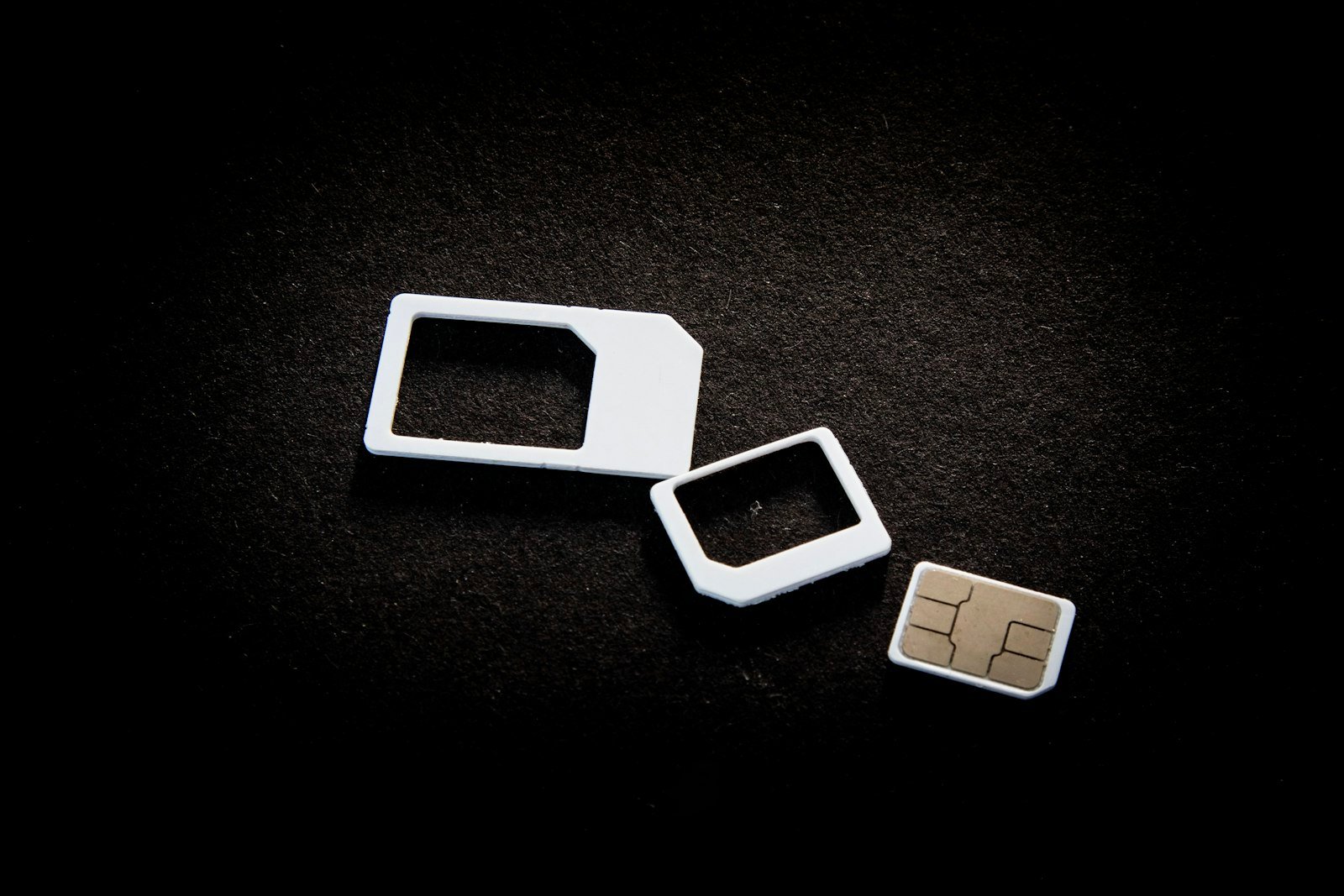
A SIM card (Subscriber Identity Module) is the component that allows your mobile phone to be recognised by the mobile network and access services such as calls, SMS messages, and mobile internet.
The SIM connects your device to your phone number and the mobile plan you have chosen from your operator.
For many years, mobile connectivity was provided exclusively through a small physical card inserted into a dedicated slot in the phone. Today, however, there is also the option of using an eSIM, a digital SIM embedded directly into the device.
What Is an eSIM?
An eSIM (embedded SIM) is a digital SIM built into the device, so there is no need to insert a physical card.
Instead of receiving a plastic SIM card from your operator, you can activate your mobile plan electronically, usually through a QR code or another activation process supported by your operator and device.
eSIM technology allows you to connect to a mobile network without using a traditional physical SIM card.
It is already available on many modern smartphones, tablets, and smartwatches.
What Are the Differences Between an eSIM and a Physical SIM?
Both technologies serve the same basic purpose: connecting your device to a mobile network. The main difference lies in how the connection is installed and managed.
Feature
Physical SIM
eSIM
Format
Small plastic card
Digital profile embedded in the device
Installation
Inserted into the SIM slot
Activated electronically
Replacement
Physical card replacement
Transfer or reactivation process
Compatibility
Supported by many devices
Requires a compatible device
Simultaneous use
Depends on the device and available slots
Depends on the device's capabilities
Travel
Requires changing the card or using a second SIM slot
A digital travel profile can be added
What Are the Advantages of eSIM?
eSIM offers several practical benefits, particularly for people who use modern devices or travel frequently.
1. Activation Without a Physical Card
In many cases, you can activate your connection electronically without having to receive or insert a plastic SIM card.
2. Easier Use of a Second Number
Some devices allow you to store multiple eSIM profiles. This means you can manage different mobile connections, depending on your device's capabilities and your operators' terms.
3. Useful for Travelling
When travelling abroad, you can often purchase a data package from an eSIM provider in your destination country and activate it without removing your primary SIM card.
4. No Physical Card Required
There is no risk of losing or damaging a plastic SIM card when removing or replacing it.
5. Greater Flexibility in Device Design
Embedded SIM technology can give manufacturers greater flexibility when designing devices, as a separate physical SIM slot is not always required.
Are There Any Disadvantages to eSIM?
Despite its advantages, eSIM is not necessarily the right choice for everyone.
The main points to consider are:
- Device compatibility: Not all mobile phones support eSIM technology.
- Transfer process: Moving to a new phone may require a new activation process or approval from your operator.
- Device replacement: You cannot simply remove an eSIM and transfer it to any other mobile phone.
- Operator support: You must confirm that your operator offers eSIM service for the specific plan you are interested in.
- Profile management: Deactivating or deleting a profile may require a new activation process.
Therefore, before choosing eSIM, it is important to understand how activation, transfer, and replacement work.
Can I Have Two Phone Numbers on the Same Mobile Phone?
Yes, provided your phone supports Dual SIM functionality.
Depending on the model, it may support a combination of:
- One physical SIM and one eSIM.
- Two eSIMs.
- Two physical SIM cards on certain devices.
This is particularly useful for people who want to keep their personal and professional communications separate.
For example, a professional can use one number for personal calls and another for clients and business contacts, without needing two separate mobile phones.
Please note that being able to store multiple profiles does not necessarily mean they can all be active at the same time. The number of active connections depends on the device.
eSIM for International Travel
One of the main advantages of eSIM is the ability to use an additional data package when travelling.
For example, if you visit a country outside the European Union, you can consider purchasing a travel eSIM that provides mobile data for a specific period.
This allows you to keep your primary SIM active for calls and SMS messages while using the second connection for internet access.
Before purchasing a travel eSIM, check:
- Whether your device supports eSIM.
- Whether the package covers your destination country.
- How many GB it includes.
- How many days it remains valid.
- Whether it supports data only or also calls and SMS.
- When the package's validity period begins.
- Whether data roaming needs to be enabled.
Also, check your mobile data settings to avoid unwanted usage through your primary connection.
Is eSIM More Secure Than a Physical SIM?
eSIM offers certain security advantages because it cannot be physically removed from the device like a traditional SIM card.
This can make it more difficult for someone attempting to remove the SIM from a stolen phone to disconnect its mobile connection.
However, eSIM does not eliminate all security risks.
Threats still include:
- Password theft.
- Email and text message scams.
- Attempts to transfer a phone number without authorisation.
- Compromised operator accounts.
For better protection, use strong passwords, enable available two-factor authentication, and contact your operator directly if you receive a suspicious notification about a change or transfer involving your mobile connection.
How Do You Activate an eSIM?
The process varies depending on your operator and mobile phone model.
It usually involves the following steps:
- Check that your phone supports eSIM.
- Request an eSIM from your operator or ask them to activate the service.
- Receive a QR code or electronic activation instructions.
- Open your device's mobile network settings.
- Select the option to add an eSIM or mobile plan.
- Follow the activation instructions.
- Confirm that the connection is working properly.
Some devices and operators also support direct eSIM transfers from an old phone to a new one.
Do not delete your existing eSIM profile before confirming that the new connection is working and that you can reactivate it if a problem occurs.
How Do You Choose Between eSIM and a Physical SIM?
Your choice mainly depends on your device, your needs, and how you use your mobile phone.
Choose eSIM if:
- You have a compatible smartphone.
- You want to use a second phone number.
- You frequently travel abroad.
- You prefer electronic activation.
- You want to manage more than one connection, provided your device supports it.
Choose a physical SIM if:
- Your phone does not support eSIM.
- You frequently change devices and prefer the simplicity of transferring a physical card.
- You prefer the traditional activation process.
- Your operator does not offer eSIM for the plan you are interested in.
There is no single option that is right for everyone. Both technologies can effectively meet your needs.
Frequently Asked Questions (FAQ)
Can I convert my physical SIM into an eSIM?
In many cases, yes. Availability and the process depend on your operator and your device's compatibility.
Will my eSIM have a different phone number?
Not necessarily. It can be activated with your existing number, provided your operator supports converting or replacing your physical SIM with an eSIM.
Can I use an eSIM and a physical SIM at the same time?
Yes, on compatible devices that support Dual SIM functionality. The available combinations depend on the model.
If I lose my phone, can I recover my eSIM?
In most cases, you can request a replacement or reactivation through your operator, following its identity verification process.
Does eSIM work without an internet connection?
Initial activation may require a Wi-Fi connection or another available internet connection, depending on your operator's process. Once activated, eSIM works through the mobile network.
Conclusion
eSIM represents a modern and practical development in mobile telecommunications. It offers convenient activation, the ability to use multiple connections, and greater flexibility for people who travel or manage separate personal and professional phone numbers.
However, physical SIM cards remain a reliable and widely available option.
Before making your choice, check your device's compatibility, your operator's capabilities, and your everyday usage requirements.
Globy+ can help you explore available mobile phone options and plans that match your needs.
Contact us to find out more about the available solutions and services.
This article is general information, not personal advice. Terms and cover depend on the provider and your contract. Your advisor checks what applies to you.
Want an advisor to check this for you?
A few short questions, and we'll get back to you shortly.