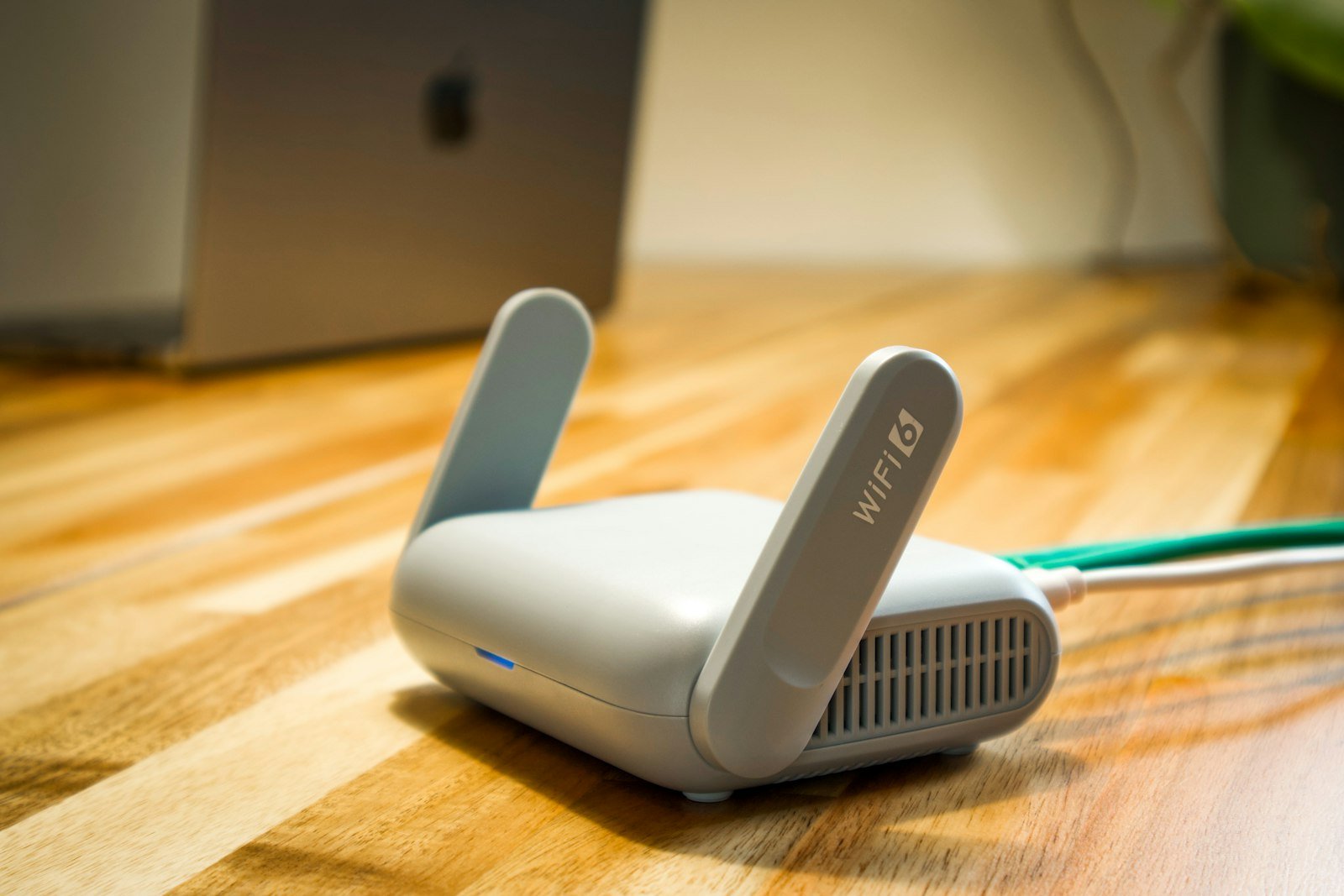
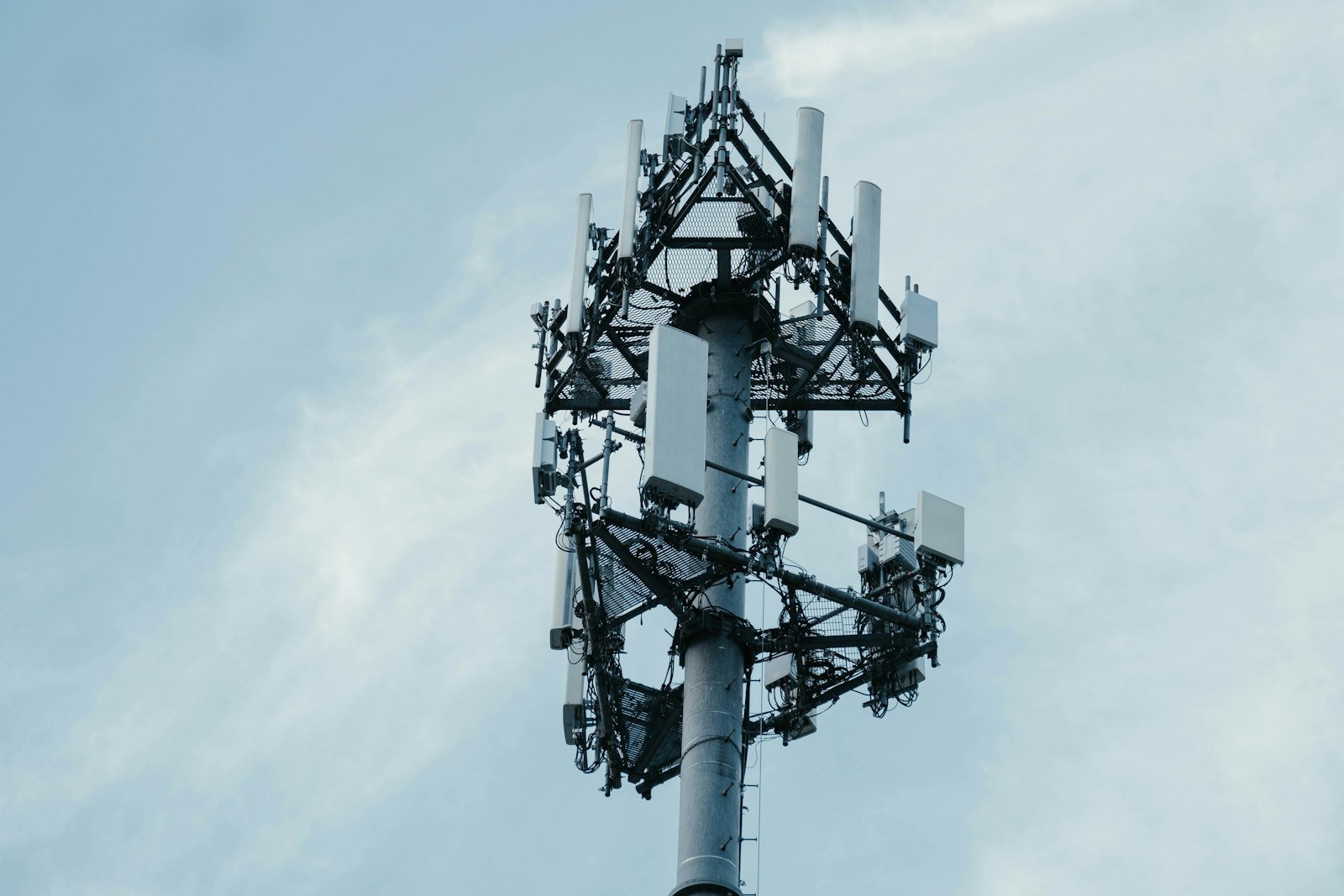
What Is 5G?
5G is the fifth generation of mobile networks and the successor to 4G/LTE. It has been designed to deliver higher data transfer speeds, lower latency in communication between devices, and the ability to support a much larger number of connected devices.
The technology is not just about faster internet browsing on a mobile phone. It also creates new opportunities for businesses, smart devices, real-time applications, industrial facilities, and services that require reliable wireless connectivity.
What Is the Difference Between 4G and 5G?
The main difference is that 5G has been designed to support higher performance and a greater number of simultaneous connections.
Feature
4G / LTE
5G
Speed
Suitable for most everyday activities
Capable of delivering significantly higher speeds
Latency
Generally higher
Capable of delivering lower latency
Simultaneous devices
Supports a large number of devices
Designed to support an even higher density of connections
Streaming
Supports HD and other streaming formats
Greater capacity for high-resolution streaming and demanding applications
Applications
Everyday use, communication, and internet access
Additional capabilities for real-time applications and IoT
The transition to 5G does not mean that every user will notice a dramatic difference in every application. For basic browsing, messaging, and social media, 4G may still fully meet their needs.
How Fast Is 5G in Practice?
5G can deliver very high speeds, which under suitable conditions can reach or exceed 1 Gbps.
However, there is no single fixed speed that applies everywhere. Actual performance is affected by:
- Distance from the mobile antenna.
- The frequency band and available spectrum used by the network.
- The number of users connected to the same cell.
- The quality and capabilities of the device.
- Indoor coverage in buildings and underground spaces.
- The technology and network configuration used by the provider.
For this reason, it is useful to assess not only theoretical maximum speeds but also actual coverage in the places where you use your mobile phone most frequently.
What Is Latency and Why Does It Matter?
Latency is the time it takes for a signal to travel from your device to the network and back.
Low latency is important for applications where an immediate response is particularly valuable, such as:
- Online gaming.
- Video conferencing.
- Remote system control.
- Augmented and virtual reality applications.
- Professional applications requiring fast communication between devices.
5G can offer lower latency than 4G, but actual performance depends on the network, the application, and connection conditions.
Where Is 5G Available in Greece?
5G coverage in Greece is gradually expanding through the mobile networks operated by the country's telecommunications providers. Availability can vary between major cities, smaller towns, road networks, and tourist destinations.
Even when an area appears as covered on a network map, this does not necessarily mean that you will receive the same signal quality in every indoor location.
Before choosing a 5G plan:
- Check your provider's coverage map.
- Examine coverage at your home and workplace.
- Check coverage in areas you visit frequently.
- Make sure your device supports the necessary 5G frequencies.
- Confirm that the plan you choose allows 5G access.
According to Opensignal's March 2026 report, based on measurements collected between October and December 2025, average 5G download speeds in Greece were 185.6 Mbps on Cosmote, 152.9 Mbps on Vodafone, and 145.4 Mbps on Nova. These are measured averages, not guaranteed speeds for individual users or locations.
Do You Need a New Mobile Phone to Use 5G?
Yes, you need a device that supports 5G technology.
However, having a modern smartphone is not enough. It must also be compatible with the frequency bands used by your mobile provider.
Before buying a new phone, check:
- Whether it supports 5G.
- Whether it is compatible with the frequencies used by Greek mobile networks.
- Whether it supports the 5G features offered by your provider.
- Whether it has sufficient battery life for your usage requirements.
If your phone only supports 4G, it will not be able to connect to a 5G network, even if you have activated a relevant mobile plan.
Does 5G Use More Mobile Data?
5G technology does not automatically mean that you will consume more data when performing exactly the same task.
For example, a video of a specific duration and resolution will consume approximately the same amount of data whether you watch it over 4G or 5G.
In practice, however, higher speeds may change your usage habits. You may choose higher-resolution videos more frequently, download larger files, or use more services simultaneously.
That is why it is important to consider the data allowance included in your mobile plan.
When Is It Worth Choosing a 5G Mobile Plan?
Switching to a 5G plan may make sense if:
You Frequently Use Streaming Services
If you regularly watch high-resolution videos on your phone, 5G can provide a more comfortable experience, provided there is sufficient coverage.
You Work Away from the Office
Professionals who need access to cloud files, video conferences, and fast data transfers can benefit from the capabilities of 5G.
You Use Your Phone as a Hotspot
If you frequently share your mobile connection with a laptop, tablet, or other devices, a good 5G network can provide higher speeds.
You Travel Frequently
5G coverage in the areas you visit regularly can improve your connectivity experience, provided the network is available.
You Want to Make the Most of a Modern Device
If you already own a 5G smartphone, you can consider a plan that makes use of its capabilities, provided the terms and price are suitable.
When Do You Not Necessarily Need to Change Your Plan?
If you mainly use your mobile phone for voice calls, messaging, email, and basic browsing, there may be no substantial reason to pay more for a 5G plan.
Similarly, if your area does not have sufficient coverage or your device does not support 5G, upgrading your plan may not deliver the experience you expect.
Your decision should be based on your actual needs rather than simply the commercial name of a technology.
What Should You Compare Before Choosing a 5G Mobile Plan?
Before signing up for a new connection or renewing your contract, consider the overall benefits and terms.
1. Monthly Cost
Check the final price, how long the promotional offer lasts, and how much you will pay after it expires.
2. Mobile Data Allowance
Compare the available GB or check whether the plan offers unlimited data. Look for any fair usage policies or restrictions.
3. Call Minutes and SMS
Choose allowances that match your actual calling and messaging needs.
4. Contract Duration
Find out about the commitment period, renewal terms, and conditions for early termination.
5. Network Coverage
Signal quality in your everyday locations is more important than a theoretical maximum speed.
6. Additional Services
Check whether the plan includes roaming services, hotspot use, additional SIM cards, or other benefits that may be useful to you.
Frequently Asked Questions (FAQ)
Is 5G much faster than 4G?
It can deliver significantly higher speeds, but the difference depends on coverage, the device, and network conditions.
Can I use 5G with any SIM card?
The ability to use 5G depends on the SIM card, your plan, and your provider's requirements. Contact your provider to confirm whether you need a SIM replacement or any additional activation.
Does 5G work everywhere in Greece?
No. Coverage is expanding gradually and varies by location and provider.
Is 5G suitable for working remotely using a mobile phone?
It can work particularly well for remote working applications, video conferences, and file transfers, provided there is stable coverage.
Should I choose unlimited data together with 5G?
Not necessarily. If your usage is limited, a plan with a specific data allowance may be more economical. Choose according to your actual consumption.
Conclusion
5G represents a significant development in mobile telecommunications, offering new possibilities for speed, connectivity, and modern digital services. However, the best option is not necessarily the most expensive plan or the one with the largest number of benefits.
Assess coverage in your area, your device's compatibility, your data usage, and the overall cost before upgrading.
Globy+ can help you explore available mobile phone plans and compare options based on your needs and budget.
Contact us to find out more about the available solutions.
This article is general information, not personal advice. Terms and cover depend on the provider and your contract. Your advisor checks what applies to you.
Want an advisor to check this for you?
A few short questions, and we'll get back to you shortly.